
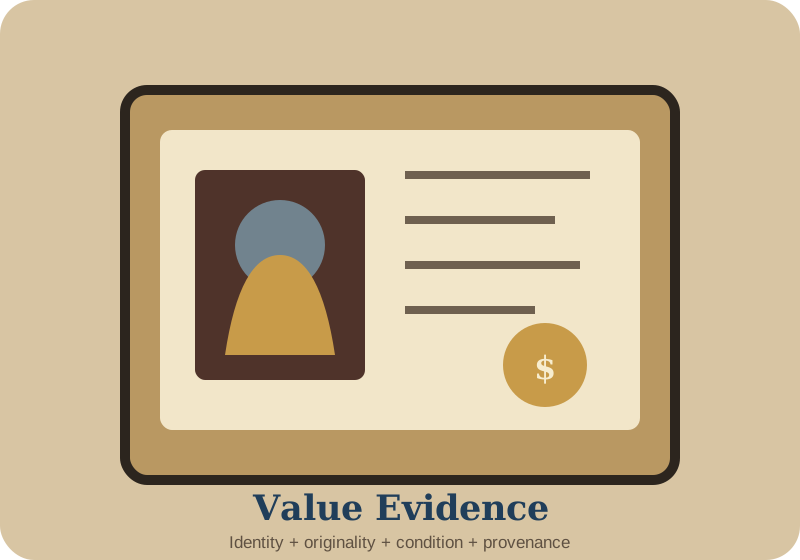
Value follows a defensible identity. A dramatic story without evidence should not be priced as provenance.
The value equation
Identity × originality × condition × documentation × demand × venue
Match the comparable
| Variable | Questions |
|---|---|
| Identity | Same object type, format, maker, unit, person, state, organization, and date? |
| Originality | Complete, assembled, repaired, restored, cleaned, relined, rebound, re-cased, or reproduced? |
| Condition | Fading, stains, tears, corrosion, moth loss, cracks, trimming, missing parts, unreadable writing? |
| Provenance | Documented soldier or family chain, institutional deaccession, legal recovery, or only seller narrative? |
| Sale terms | Hammer price or total with premium? Shipping? Returns? Specialist auction or general marketplace? |
Value traps
- Using active asking prices instead of completed sales
- Comparing an identified photograph with an anonymous portrait
- Pricing postwar GAR material as wartime issue
- Adding a famous battle premium without object-level proof
- Ignoring restoration, trimming, missing pages, replacement ribbons, or cleaned metal
- Breaking a family archive into individually marketable pieces
Protect the group premium
An ordinary letter can become historically and commercially stronger when preserved with its envelope, photograph, service paper, pension document, GAR material, and family provenance.
Compare current collector listings
Use listings to study format, measurements, marks, condition, provenance language, repairs, and market supply. Asking prices are research leads, not completed-sale evidence.
Search eBay collector listings